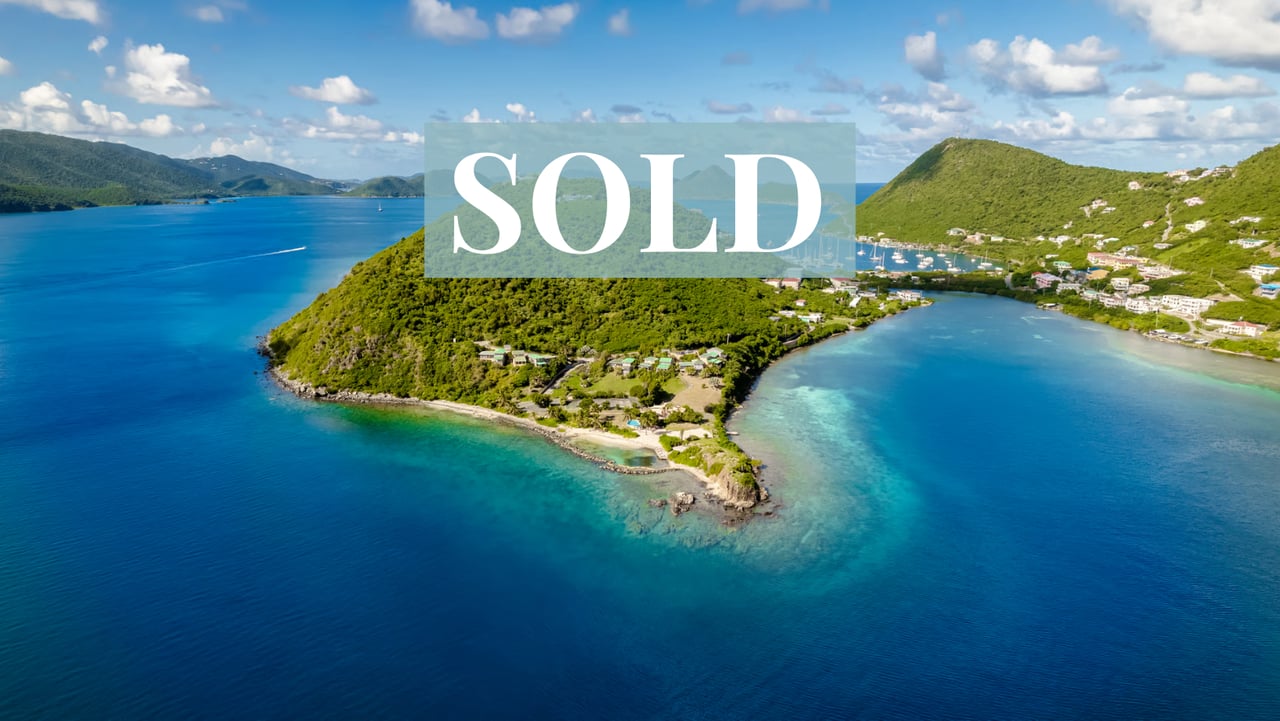
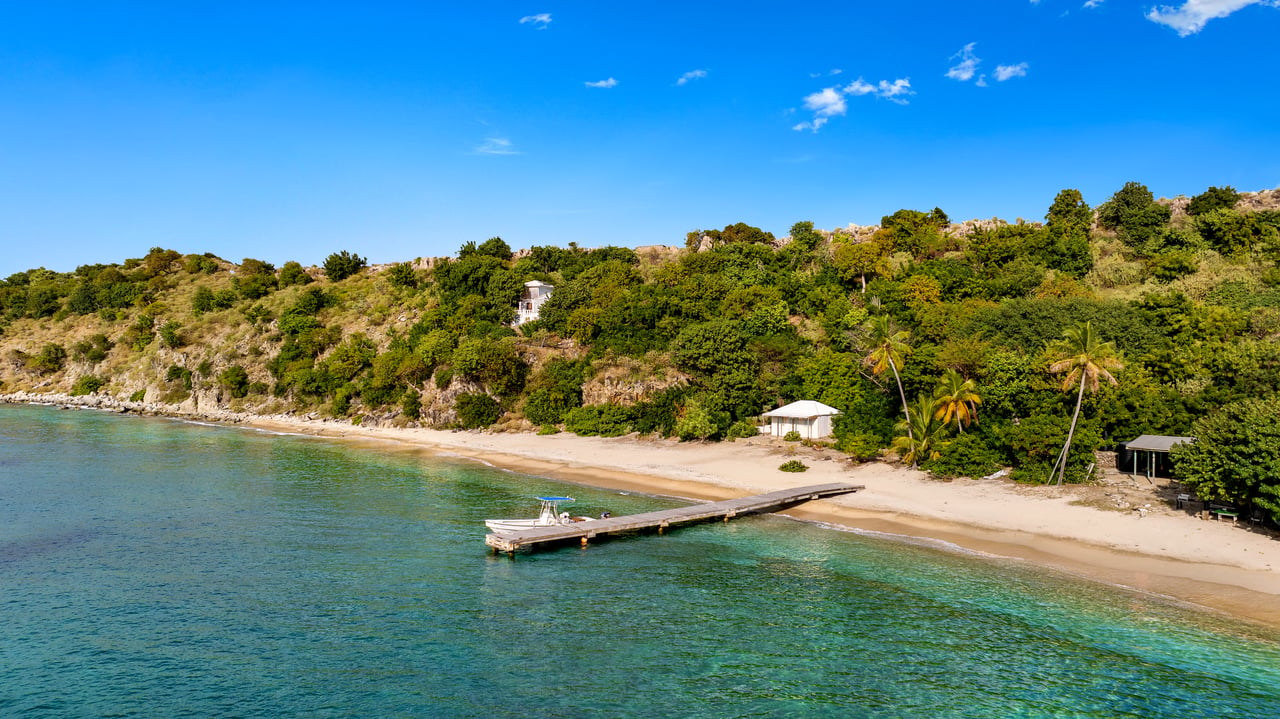
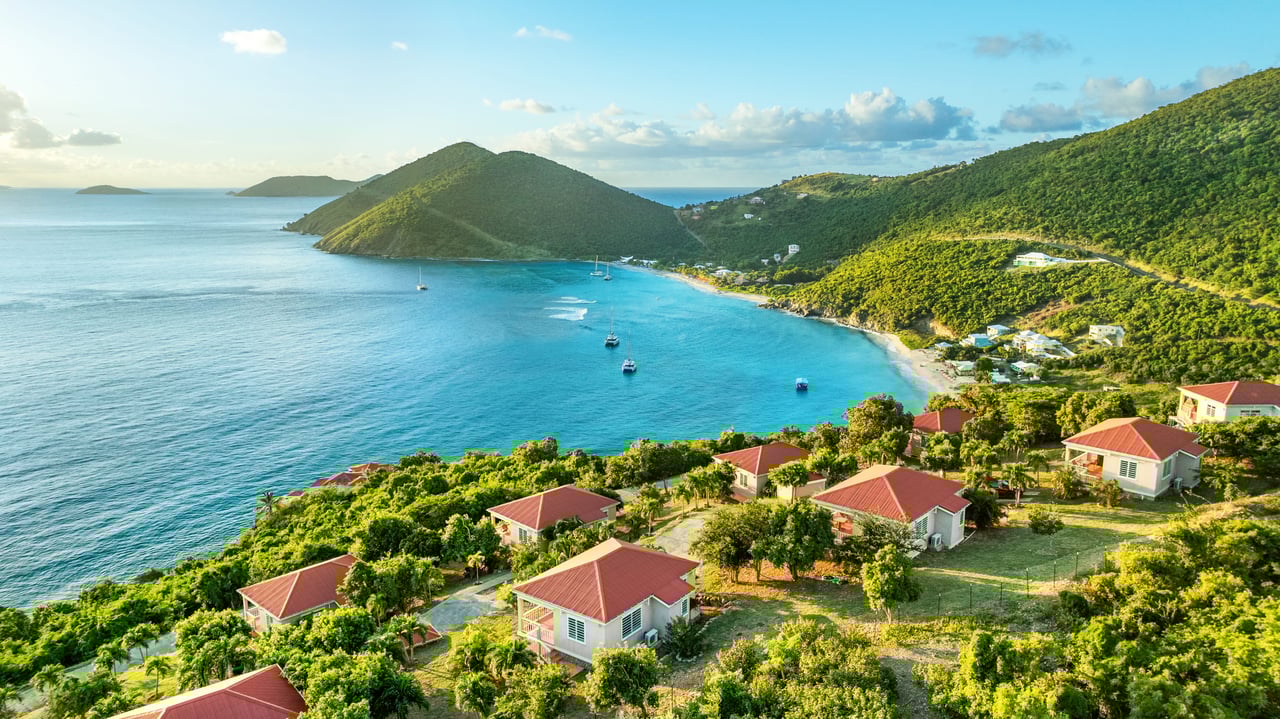
View homes for sale in Tortola, BVI with the experienced real estate agents at Smiths Gore.
As the commercial and population hub of the British Virgin Islands, Tortola anchors the territory's real estate market, driving the highest volume and overall value of property transactions. The market is strictly defined by a "scarcity premium" due to finite island land and mountainous topography, creating consistent upward pressure on prices and a highly competitive environment. While luxury beachfront villas, marina apartments, and high-end hillside estates routinely command multi-million-dollar price tags from affluent international buyers and digital nomads, the vast majority of the residential market is actually dominated by properties priced under $1 million, which are heavily sought after by local buyers and expatriates. Additionally, a tightening inventory has fueled a robust rental market in hot spots like the West End and Nanny Cay, with a notable shift toward modern, turnkey, and eco-friendly properties that offer reliable passive income for remote investors.
The area offers a diverse range of properties, from affordable lots to multi-million-dollar luxury villas and multi-unit buildings. The market remains particularly active for properties priced under $1 million, largely driven by local investors, while high-end luxury options cater to more affluent buyers. Activity surged around 2020 due to government incentives, and development continues to expand in areas such as Paraquita Bay.
Foreign nationals looking to purchase property in Tortola must obtain a Non-Belonger Land Holding Licence (NBLHL), which requires submitting an application, paying the necessary fees, and awaiting government approval—a process that can take several months. Additionally, foreign buyers are subject to a 12% stamp duty on the purchase price before the title transfer can occur. Properties intended for foreign purchase must also be advertised in the local press for four weeks, giving Belongers the opportunity to buy the property at the same price.
Tortola’s key residential areas each offer distinct opportunities for buyers. Paraquita Bay is currently active with residential lot sales, while George’s Northside features a mix of homes and multi-apartment buildings. Havers offers both new and existing properties, including a 3-bedroom home and a 3-bedroom cottage, and Brewers Bay includes a multi-story property on the market. Cane Garden Bay stands out as a highly desirable waterfront location with villas and other premium properties, while Apple Bay is known for its high-end real estate, such as luxury cliffside homes.
Buyers in Tortola should work with a local real estate agent who understands the island’s regulations, market trends, and available listings, ensuring a smoother purchase process. It’s also wise to consider long-term value—renovations focused on high-return areas like kitchens and bathrooms can greatly enhance resale potential. Additionally, buyers should factor in accessibility, infrastructure, and proximity to beaches or marinas, as these features strongly influence both lifestyle and property appreciation on the island.
Yes. Most goods are imported, so housing, groceries, dining, utilities, and transport are high relative to many US cities. Indicative budgets: around 3970 USD per month for a single person and about 7040 USD for a family of four, not including private school or major healthcare costs. Actuals vary by lifestyle, location, and whether housing is furnished or includes generator and cistern. Expect price spikes after storms or shipping disruptions.
Yes, but you must secure a Non-Belonger Land Holding Licence tied to the specific property before you can complete a purchase. The process involves an application to the Ministry, Cabinet approval, government fees, and local advertising of the property for four consecutive weeks to give Belongers a chance to match the offer. At transfer, non-Belongers pay 12 percent stamp duty on the higher of the contract price or appraised value, then the Land Registry records title. Timelines are months, not weeks.
If you value warm climate, boating culture, beaches, small-island community, and US-dollar convenience, yes. Trade-offs include high cost of living, limited public transport, and vulnerability to hurricanes, so resilient housing and contingency planning matter. Jobs are concentrated in finance, tourism, construction, and services. Community is close-knit, and crime is comparatively low by regional standards.
Tortola is larger with more neighborhoods, schools, medical services, shopping, marinas, and daily business traffic, which suits year-round living and commuting. Virgin Gorda is quieter and more resort-oriented with world-class beaches and upscale villas, a slower pace, fewer services, and higher reliance on ferries for errands. Buyers often choose Tortola for convenience and inventory breadth, Virgin Gorda for privacy and lifestyle.
Visitors are typically admitted for one month on arrival if entry requirements are met. Extensions up to six months are possible at the discretion of Immigration, usually with proof of funds, accommodation, and onward travel. Always check current rules before travel.
There is no dedicated retirement visa. Long-term residence requires formal permission to reside, often via work or other status, and permanent residence is typically available only after 20 consecutive years of lawful residence with limited absences. Belonger status is a separate, higher tier with broader rights. Many retirees instead hold property and visit for extended periods within visitor or residence permissions. Consult Immigration for the path that fits your situation.
Post-pandemic and supply-chain pressures keep build costs elevated. For good quality residential construction, recent local guidance cites roughly 350 to 500 USD per square foot, with simpler builds potentially lower and luxury or hillside engineering higher. Regional cost surveys show wide ranges across the Caribbean, reflecting finishes, terrain, wind and seismic codes, logistics, and contractor capacity. Budget for design, permits, siteworks, hurricane-rated materials, cisterns, and contingencies, and expect 18 to 24 months for a full custom build.
Purchasing property in the BVI involves a few distinct costs, the largest being the government transfer tax:
Stamp Duty: For Non-Belongers, stamp duty is a mandatory 12% of either the purchase price or the appraised market value (whichever is higher). For comparison, local Belongers only pay 4%.
Legal Fees: Buyers should budget an additional 1.5% to 2% of the sale price for a local BVI attorney, which is highly recommended to guide you through the rigid land registry and licensing process.
No. Buying real estate on the island does not automatically grant you residency or a path to citizenship. However, as a property owner, the BVI immigration department will typically grant you an extended stay of up to six months per year for vacation purposes. If you wish to live there year-round or work remotely on the island permanently, you will still need to apply for a standard long-term residency permit or work permit through the proper immigration channels.
Whether you’re interested in investing, relocating, or finding your dream home in Tortola, our team is here to help. We’ll guide you through every step of the buying process, from property selection to navigating local regulations. Get in touch today to start your search with confidence.
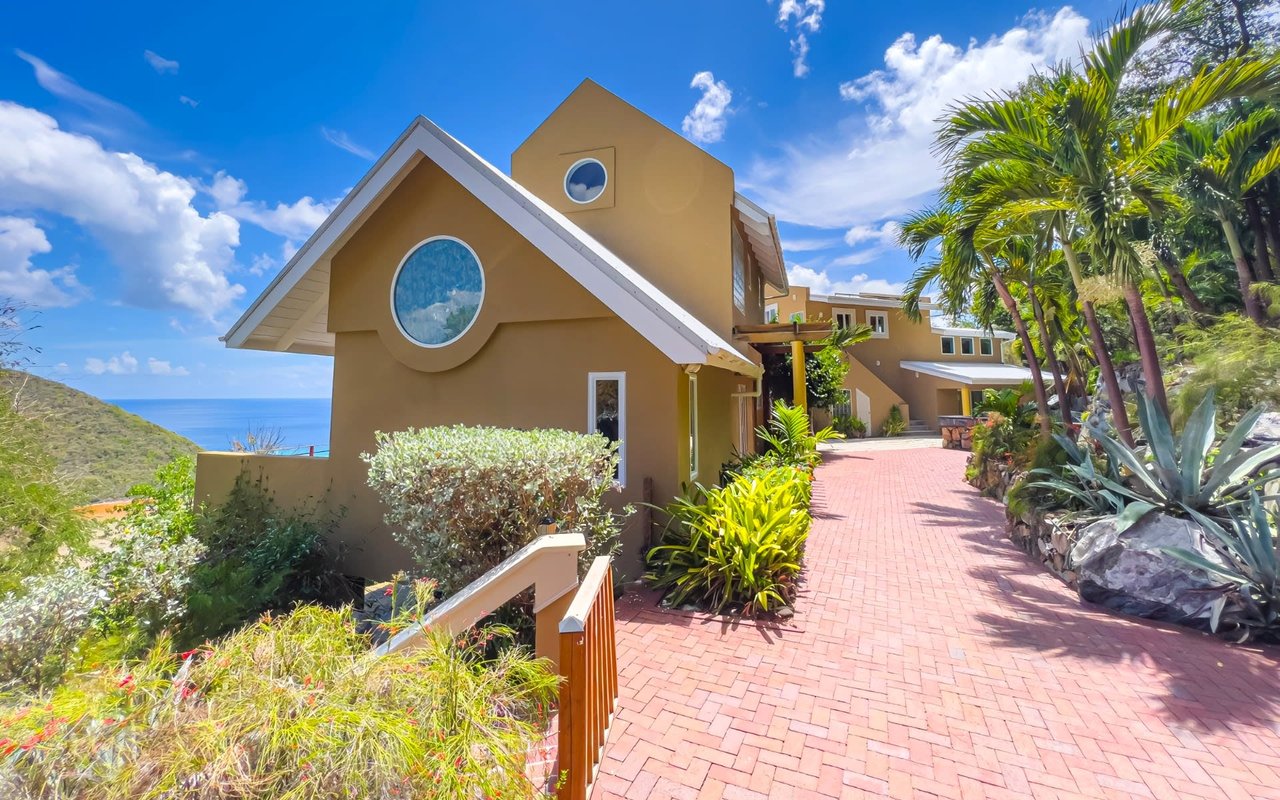
Finding a long-term rental in paradise.
03/13/24 | Smiths Gore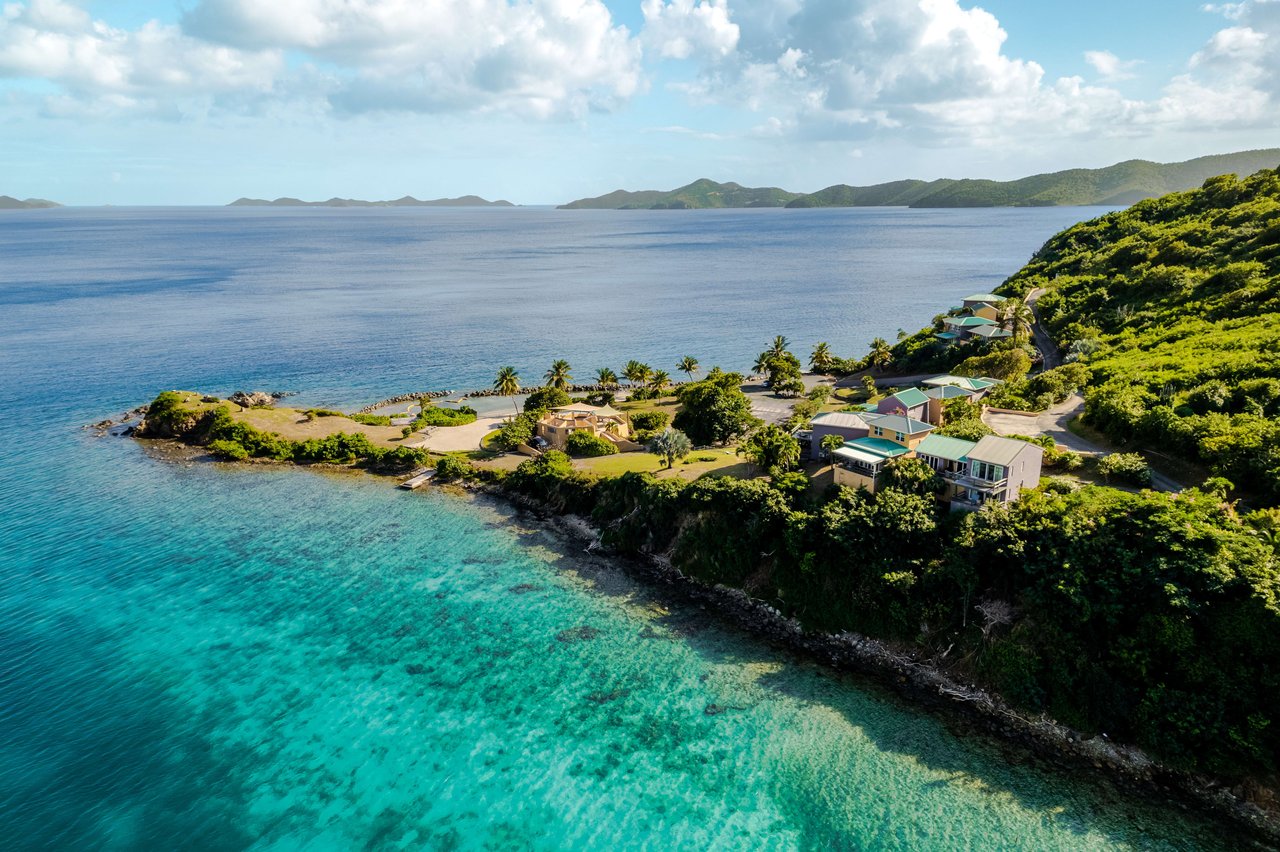
Nestled in the heart of the Caribbean, Tortola, the largest of the British Virgin Islands (BVI), offers a mesmerizing blend of natural wonders, recreation spots, and a laid-back lifestyle. For those seeking a tranquil escape, r...
03/1/24 | Megan Mccann
Can you imagine being just hours away from our white sandy beaches and world-class piña coladas?
07/29/23 | Megan Mccann